


The Truth About Cracking Your Own Neck

If you’ve ever twisted your neck and heard a satisfying “pop,” you’re not alone. Many people
crack their own necks to relieve tension, stiffness, or stress. While it may feel good temporarily, habitual neck cracking can sometimes do more harm than good.
So what’s actually happening when your neck cracks — and is it dangerous?

Why Does Your Neck Crack?
That popping sound usually comes from small gas bubbles releasing inside the joints of your
spine. Your neck contains joints filled with fluid, and when pressure changes quickly, those
bubbles collapse and create the familiar cracking sound.
In some cases, cracking may also come from ligaments or tendons moving over joints as you
turn your head.
Occasional cracking without pain is usually harmless. The concern comes when people
repeatedly force the motion for relief.
Why People Crack Their Own Neck
Most people do it because it creates:
• Temporary tension relief
• A feeling of improved mobility
• Reduced stiffness
• Stress relief
The problem is that the relief is often short-lived because the underlying issue — poor posture, muscle imbalance, joint restriction, or stress — hasn’t been addressed.
The Risks of Habitual Neck Cracking
Cracking your neck once in a while is different from constantly forcing it throughout the day.
Repetitive self-adjustment may lead to:
Muscle and Ligament Strain
Overstretching the ligaments in your neck can reduce stability over time (this may cause
muscles to tighten even more to compensate)
Hypermobility and Spinal Instability
Repeatedly forcing movement into the same joints can create excessive mobility, also known as hypermobility. Over time, this can reduce the spine’s natural stability and place added stress on surrounding muscles, ligaments, and joints.
When the spine becomes unstable, the body often attempts to compensate by creating more stability through tension, inflammation, and degenerative changes. Over many years, this process may contribute to increased wear and tear within the joints, potentially leading to arthritic changes in the spine.
This is one reason why constantly “popping” the same area for relief may actually worsen long-term dysfunction instead of correcting it.
Increased Joint Irritation
People often crack the same hypermobile areas repeatedly while the truly restricted joints stay stuck. This can worsen imbalance and discomfort.
Nerve Irritation
Aggressive twisting can occasionally irritate nearby nerves, leading to pain, tingling, or stiffness.
Temporary Relief Instead of Real Treatment
Self-cracking can mask symptoms without correcting posture problems, movement dysfunction, or spinal restrictions.
When Neck Cracking Could Be a Warning Sign
You should not ignore neck cracking if it comes with:
• Pain
• Headaches
• Dizziness
• Numbness or tingling
• Reduced range of motion
• Frequent stiffness
These symptoms may indicate an underlying issue that deserves professional evaluation.
Healthier Ways to Relieve Neck Tension
Instead of repeatedly cracking your neck, try:
• Chiropractic care to address areas of restriction and restore proper spinal movement
• Improving desk and phone posture
• Taking movement breaks during the day
• Gentle stretching
• Strengthening upper back muscles
• Using ergonomic work setups
• Applying heat or ice when appropriate
Simple daily habits can make a major difference in neck health.
How Chiropractic Care Is Different
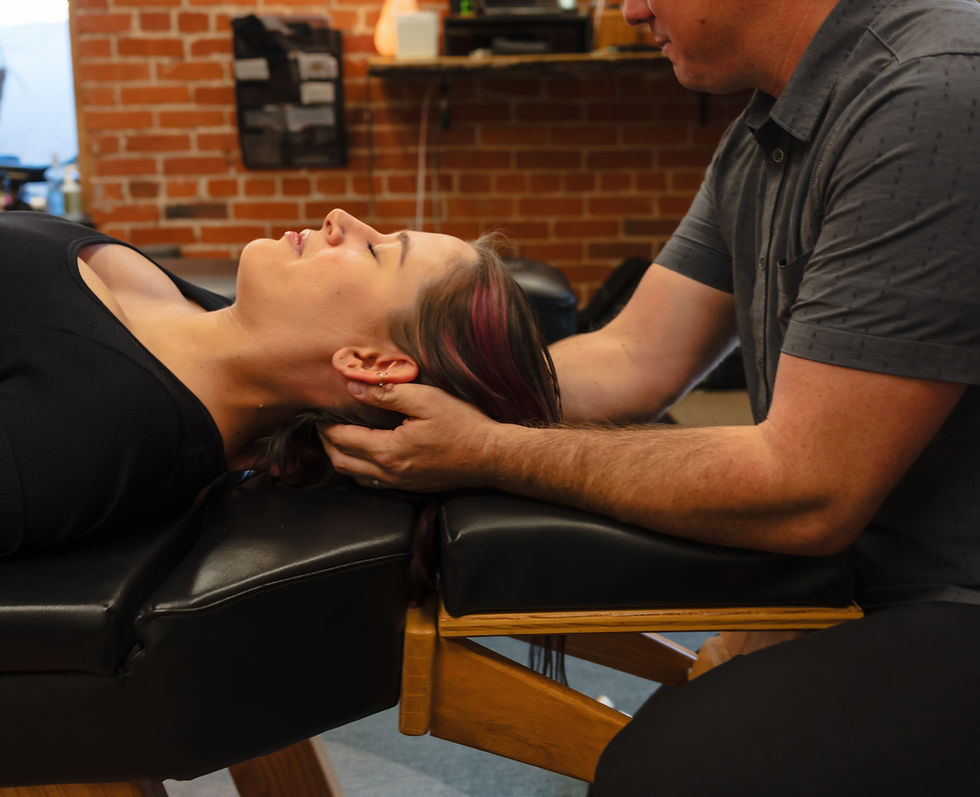
Many people assume chiropractic care is simply “cracking” the neck or back, but there is a major difference between self-cracking and a professional chiropractic adjustment.
When you crack your own neck, you are usually forcing movement into the easiest or most
mobile areas — not necessarily the areas that actually need attention. This can create temporary relief without correcting the underlying imbalance.
Chiropractic care is much more specific and intentional. A chiropractor evaluates how your
spine, nervous system, muscles, and joints are functioning together to identify areas of restriction and tension that may be interfering with proper communication between the brain and body.
The goal is not simply to create a popping sound. The goal is to restore healthy movement and nervous system function so the body can communicate properly, self-regulate, and heal more effectively.
Targeted chiropractic adjustments are designed to:
• Relieve tension in restricted areas
• Improve spinal mobility
• Reduce stress on the nervous system
• Support better posture and movement patterns
• Help the body adapt to physical and emotional stress more efficiently
When the nervous system is functioning optimally, the body is often better able to coordinate movement, manage tension, and maintain overall wellness.
Many chiropractic care plans also include:
• Corrective exercises
• Postural guidance
• Lifestyle recommendations
• Stress-management strategies
• Ergonomic support for work and daily life
Final Thoughts
Cracking your own neck occasionally is common and usually not dangerous. However, if you
constantly feel the need to do it, your body may be signaling an underlying problem that needs attention.
Lasting relief comes from addressing the root cause — not just chasing the temporary pop.
If you’re dealing with chronic neck tension, headaches, or stiffness, chiropractic care may help restore healthier movement, improve nervous system function, and support your body’s natural ability to heal and regulate itself.


Comments